JAPAN × KOREA Gastronomy Experience - Event Report -
JAPAN × KOREA Gastronomy Experience - Event Report -
Crossing borders, sensibilities quietly resonate ──
The "JAPAN × KOREA Gastronomy Experience," held at Rantei on March 7, 2026, concluded with great success, attracting numerous guests.
The theme of this evening was not a quirky fusion.
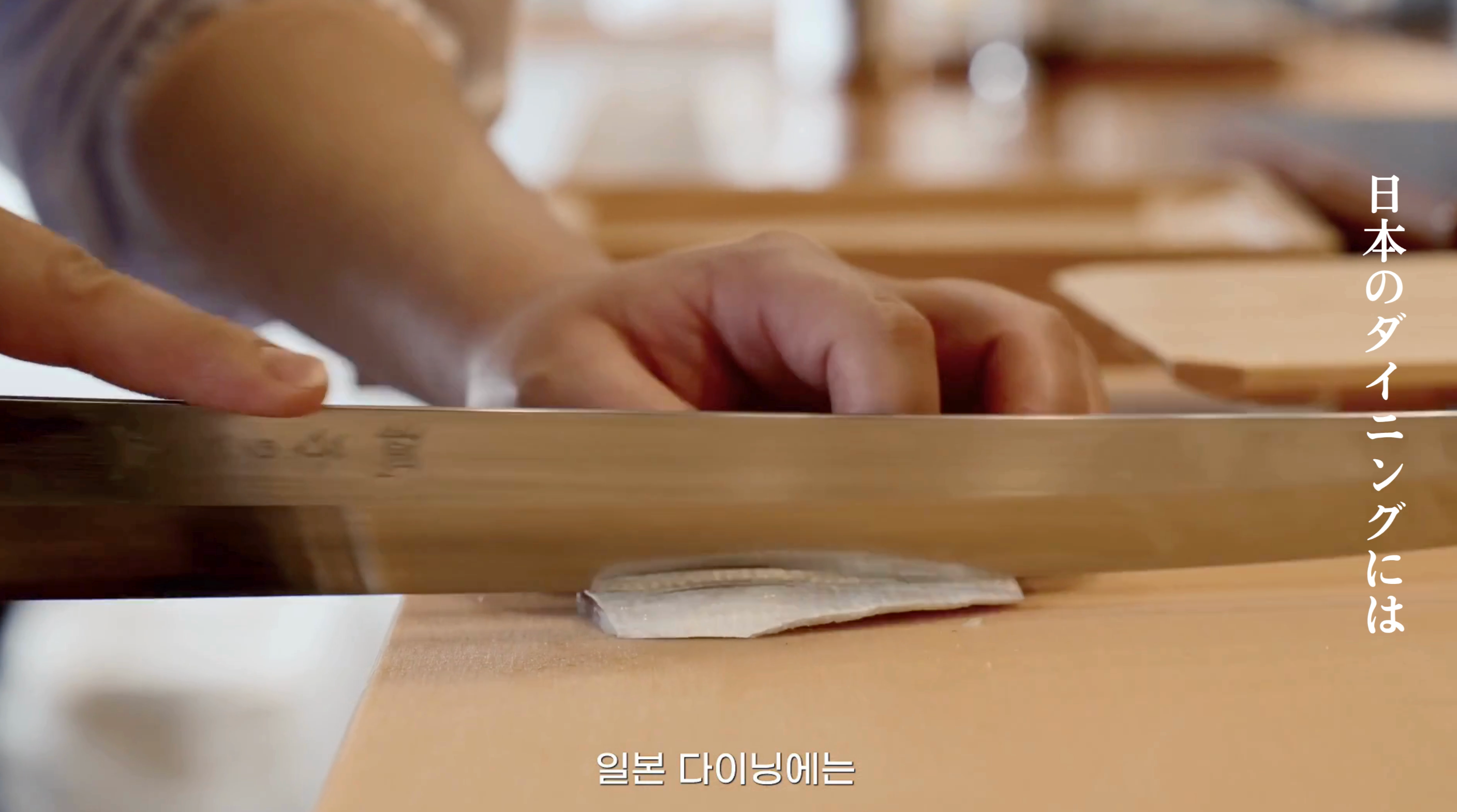
It was a night to delve deeper into the delicate composition of Japanese cuisine that Rantei has cherished, the Edomae techniques, and the profound depth of sake that accompanies each dish, all through the sensibilities of Mr. Jinseon Cha, the first Korean J.S.A. certified "SAKE Diploma" holder and an OSA judge.
Food and sake are not merely placed side by side.
A single glass accompanies the lingering taste of a single bite.
Sake accentuates the contours of the dish, and the dish brings out the aroma of the sake.
The essence of this evening's experience lay in this interplay.
The course began by gently embracing the signs of spring.
The first dish was Tairagai surf clam from Aichi Prefecture and Hana Wasabi. The thickly sliced Tairagai was lightly seared to enhance its aroma, and the Hana Wasabi, cooked delicately at 65℃, brought forth a clear fragrance and spiciness. This was accompanied by a tosazu (vinegar dressing with bonito dashi) jelly infused with bonito dashi. The sweetness of the clam, the aroma of the wasabi, and the umami of the dashi layered together, quietly revealing the contours of spring.
Next, sea bream, matured for three days and dehydrated with salt to concentrate its umami. It was dressed with a sauce made from egg yolk and sea bream shutō (fermented viscera), with kombu-cured grated yam noodles hidden beneath. Rather than the strong saltiness imagined from the word shutō, it was a delicate design that layered the depth of sea bream shutō onto the umami of the sea bream. This dish gently prepared the palate for the sushi that followed.
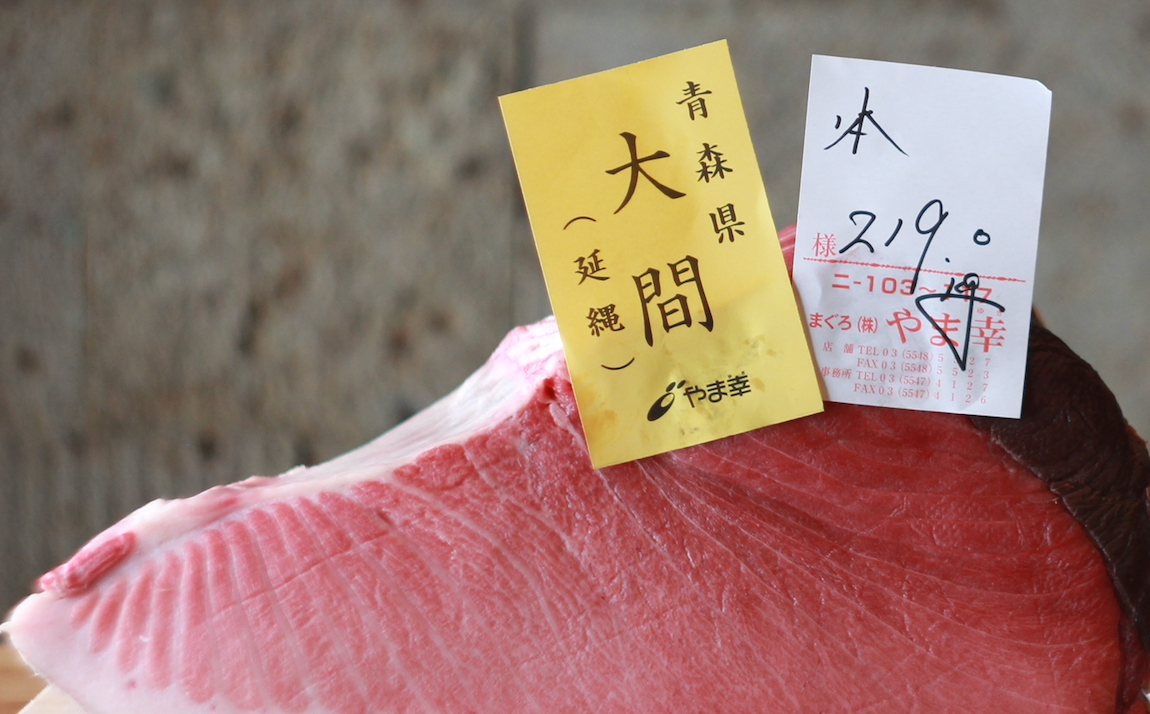
For the straw-seared fatty tuna, the straw-searing method, often used for Spanish mackerel and bonito, was daringly applied to fatty tuna. By lightly searing the surface and infusing it with the aroma of straw, the sweetness of the fat and the smoky flavor integrated, giving the tuna a new expression.
In the middle of the course, a small hot pot of shellfish and wild vegetables was served. The umami of clams and surf clams was layered with bonito dashi drawn over ten hours, combined with Urui, Udo, bamboo shoots, shiitake mushrooms, and Kujo green onions. The subtle bitterness of the wild vegetables, the rich taste of the shellfish, and the lingering flavor of the dashi. It was a dish unique to spring, where mountains and sea quietly united in a single pot. The shellfish were not overcooked, but finished in front of the guests, allowing them to enjoy the best moment of texture and aroma.
For the one-night dried butterfish, Sotohomare sake was used in the preparation. The fish was placed in a brine of water, sake, and kombu, allowing excess moisture to drain while concentrating the umami within. When grilled, the sweetness of the fat melted into the lean white fish, and by resonating with the same Sotohomare sake, the dish and sake connected along a single line.
And then, sea urchin and Ariake seaweed tempura. Only the seaweed was coated in batter. Fragrant seaweed was lightly fried in a thin batter, topped with fresh sea urchin, and seasoned only with salt. It was a stripped-down composition that highlighted the aroma of the seaweed, the sweetness of the sea urchin, and the crisp outline of the salt. A quiet yet memorable dish.
Accompanying this progression of dishes was the carefully selected sake chosen by Mr. Cha.
With each changing dish, the focus of the palate also shifted.
Sake that extends the lingering taste of a dish, sake that brings out its aroma, sake that deepens its umami.
This selection was not merely an explanation, but another skill that led the dishes to their completion.
For the dessert at the end, we prepared a strawberry wine jelly.
Gently layered with its aftertaste was the Korean spirit "Bekyeon."
The acidity and sweetness of the fruit and the fermented aroma gently intertwined, creating a moment at the end of the course where different cultures subtly came together. The main characters remained Japanese cuisine and sake. Without disrupting that flow, Bekyeon softly concluded the evening's experience as a presence that added a quiet breadth to the lingering aftertaste of the meal.
In the space around the counter, there was surprise with each dish and conversation sparked with each glass.
The chef's craftsmanship, the sake selection, and the guests' sensibilities.
They resonated with each other, creating a unique "circle" at Rantei.
This "JAPAN × KOREA Gastronomy Experience" deepened the core of Japanese cuisine and sake, while quietly demonstrating the potential for cultural intersection.
Rantei will continue to pursue an experience where ingredients, techniques, sake, and space all resonate in harmony.
Please look forward to our next offering.